
How to Know If You Have Dandruff or a Dry Scalp
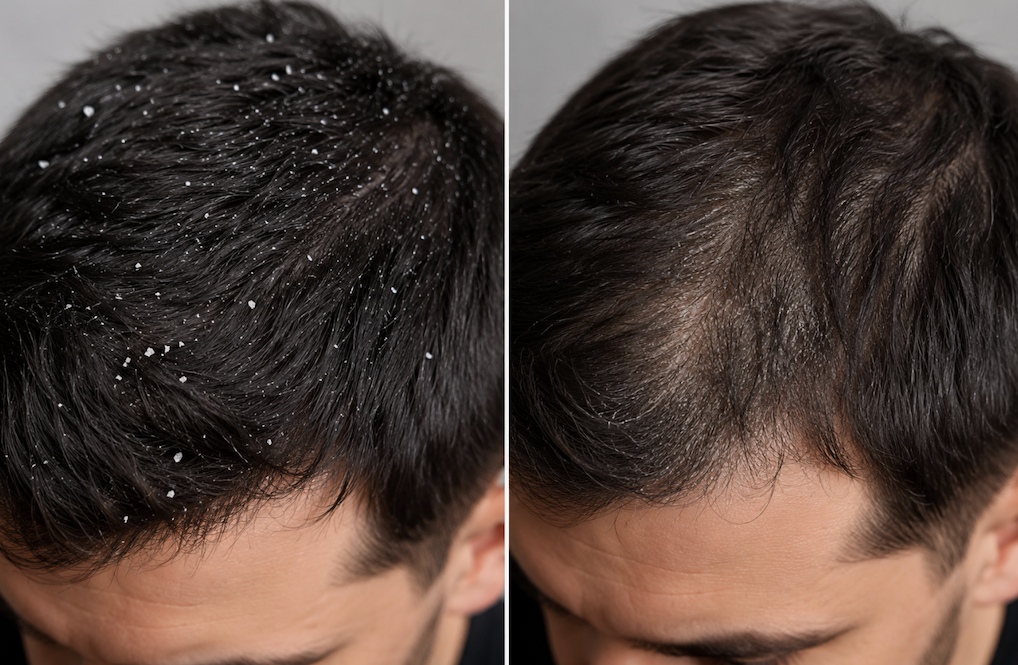
Those flakes on your collar? They aren't all telling the same story. Dandruff vs dry scalp is one of those debates that gets muddled together constantly, and reaching for the wrong fix can leave you worse off than when you started. We watch it happen at the salon week after week at Frank’s Gentlemen’s Salon. So here's the lowdown!
Why Dandruff and Dry Scalp Are So Easy to Confuse
From a distance they look like twins. Both flake. Both leave your scalp grumpy and itchy. Naturally, people grab whatever bottle is nearest and cross their fingers. But underneath, these two have hardly anything in common. Rub a thick moisturizing oil into a dandruff-prone scalp, and you might just be feeding the fungus that caused the mess. Figuring out what you're actually up against - that's the part that gets you somewhere.
The Key Differences Between Dandruff and a Dry Scalp
How the Flakes Look and Feel
The flakes themselves give plenty away, and they're often the quickest way to settle the dry scalp vs dandruff question. Dandruff tends toward bigger, oilier flakes with a yellowish tinge, and they like to cling on rather than let go. Dry scalp flakes? Smaller. White. Dry. They drift off easily and feel finer to the touch.
What's Actually Causing the Problem
Dry scalp turns up when your skin simply isn't holding enough moisture - think cold snaps, aggressive shampoos, or not drinking enough water through the day. Dandruff plays by entirely different rules. Behind it sits Malassezia, a yeast that lives quietly on every scalp until something tips it into overdrive, at which point your skin cells start turning over too fast and inflammation creeps in.
So if you've ever wondered…are dry scalp and dandruff the same? This is where they part ways. Hydration versus fungus, basically. Two separate problems wearing similar costumes.
The Accompanying Symptoms to Pay Attention To
Dry scalp usually shows up as tightness, a bit of irritation, maybe an itch - and it gets noticeably crankier in winter or after a scalding shower. Dandruff itches as well, sure, but it travels with company: redness, greasy roots, flaking you can spot even on freshly washed hair. One handy tell - if your scalp still feels oily right after a wash, dandruff is probably your answer.
How to Assess Your Own Scalp Condition at Home
A Simple Self-Check You Can Do Right Now
Grab a flake, head toward a window, and have a proper look in daylight. Then rub a little scalp skin between two fingers. Crumbly and dry suggests dry scalp. Greasy or slightly waxy leans dandruff. If you've been searching how to know if you have dandruff or dry scalp, this little test is honestly the fastest place to start. And while you're poking around, run through what's changed recently. Switched shampoos? Slammed with a stressful month? Endured a brutal stretch of weather? Those details fill in the gaps.
Tracking Your Symptoms Over Time
A single check won't always settle it. Better to jot things down loosely over a few weeks - when the flaking spikes, how your scalp feels post-wash, which products soothe and which seem to make matters worse. Patterns have a funny way of being honest with you. Dry scalp tends to ease off with a gentle, hydrating shampoo, while dandruff usually wants something medicated, the kind carrying zinc pyrithione or ketoconazole.
When Your Scalp Is Telling You to See a Specialist
Most of the time you can sort both of these out yourself, at home, without much fuss - the difference between dry scalp and dandruff matters most when something stops responding to the usual care. Some signs, though, call for backup. Flaking paired with real hair loss, open sores, fierce inflammation, or weeks of effort that change nothing - that's your cue to book a dermatologist. Symptoms like those can point toward psoriasis or seborrheic dermatitis, and those need proper medical attention.
How We Help Prevent Scalp Issues Before They Start
Scalp-Healthy Habits That Make a Real Difference
Prevention really comes down to steady, unglamorous habits. Wash regularly with a pH-balanced shampoo matched to your scalp, lay off the scalding water, and keep yourself hydrated. Don't write off stress, either - it's a well-known dandruff trigger, so anything that takes the edge off genuinely pays back.
The Role of Professional Grooming in Long-Term Scalp Health
A good salon visit hands you more than a sharp cut. Each time you're in the chair, our team takes a look at how your scalp's doing and nudges your routine in the right direction before small irritation digs in for the long haul. We'll even talk through the little things, like whether you should shower after a haircut to rinse away loose clippings that can aggravate a sensitive scalp. We keep products on hand for both dry scalp and dandruff, so you leave with something built around you.
Start Treating Your Scalp the Right Way
Once you know which camp you fall into, treating it stops feeling like guesswork. And the encouraging part? Both are genuinely manageable. We'd love to help you pin it down - and to send you out the door with a scalp in better shape than when you arrived.
FAQs
How Long Does It Take To Clear Up Dandruff Or Dry Scalp?
It depends on which one you're dealing with and how consistent you are. Dry scalp often calms down within a week or two once you switch to a gentle, hydrating shampoo and ease up on hot water. Dandruff usually takes a bit longer - give a medicated formula three to four weeks of regular use before you judge whether it's working. If you've stuck with the right routine and still see no change after a month, that's a good moment to loop in a professional.
Will Dandruff Shampoo Work On A Dry Scalp?
Not really, and it can backfire. Medicated dandruff formulas are built to tackle fungus and excess oil, so using one on a scalp that's simply parched tends to strip away what little moisture it has left - leaving you tighter, itchier, and flakier than before. If your scalp is dry rather than oily, a gentle hydrating shampoo is the better bet. Save the zinc pyrithione or ketoconazole washes for when greasiness and stubborn flaking point clearly toward dandruff.
Can Dandruff And Dry Scalp Happen At The Same Time?
Yes, and it's more common than you'd think. Your scalp can run short on moisture while also dealing with a Malassezia flare-up, which makes the flaking and itching tricky to pin on one cause. If a hydrating shampoo helps a little but never fully clears things up, you may be juggling both - in which case alternating a gentle moisturizing wash with a medicated one, or checking in with a professional, is usually the smartest move.
