
Taper vs Fade: Know the Difference (And Which One is Right for You)
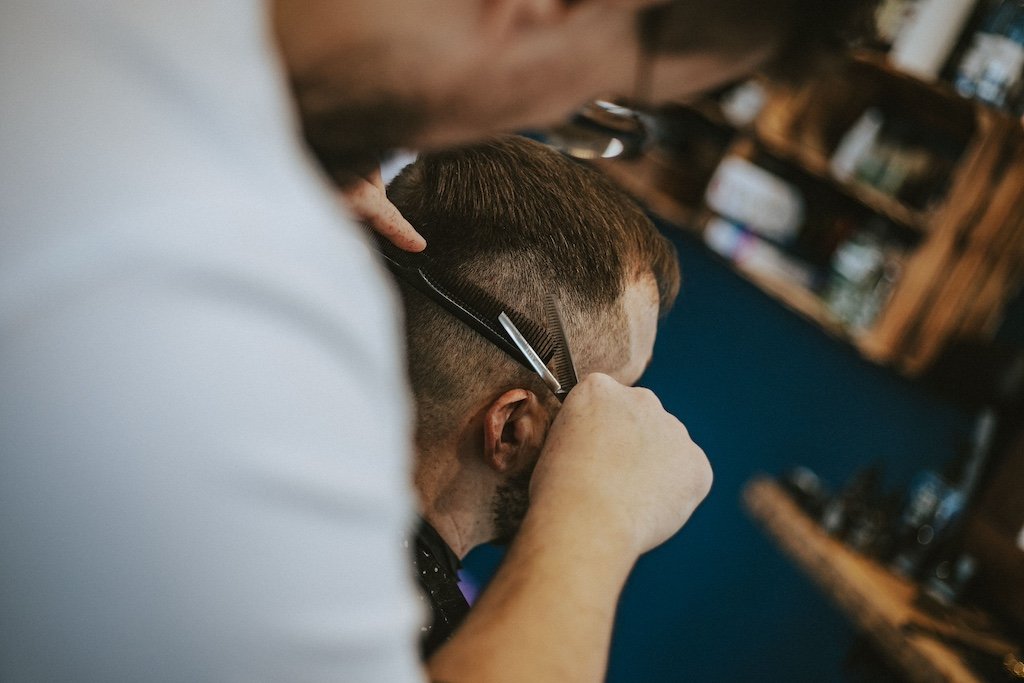
Walk into any barbershop and you'll hear these two words thrown around constantly - taper and fade. A lot of guys nod along like they know exactly what's being said, then point at a photo and hope for the best.
Here's the truth: taper and fade are not the same thing. They're related, sure - but if you're asking for one when you want the other, you're walking out with the wrong haircut.
I've been getting my hair cut for decades, and I've talked to barbers who've explained this distinction more times than they can count. So let me break it down for you, clearly and simply, so you actually know what you're asking for next time you sit in that chair.
What Is a Taper Haircut?
A taper is exactly what the name suggests - a gradual reduction in hair length. Your hair starts longer at the top and slowly gets shorter as it moves down toward your neck and ears. The key word here is gradual. There's no dramatic jump in length. The hair blends smoothly, almost seamlessly, from one length to the next.
Most traditional men's haircuts already include some form of a taper by default. It's the classic barbershop technique - clean, polished, and appropriate for almost every setting from a board meeting to a wedding.
If you want a look that's professional, low-maintenance, and universally flattering, a taper is your safest bet. It works on nearly all hair types and face shapes, and it grows out gracefully without looking sloppy after a few weeks.
Typical Taper Characteristics:
Hair length decreases gradually from top to sides/back
Transition is subtle - no harsh lines or stark contrasts
Neckline and sideburns are cleaned up but not shaved down to skin
Works great with longer hair on top (pompadours, quiffs, slick backs)
Grows out well between appointments
What Is a Fade Haircut?
A fade is a more intense, more dramatic version of the taper concept. Instead of a slow, gradual blend, a fade creates a stark contrast - hair goes from longer at the top to very short (often down to skin level) at the sides and back, and it happens over a shorter distance on the head.
The transition in a fade is much quicker and more pronounced. Barbers use clippers with different guard sizes and often finish with a foil shaver to get those sides razor-smooth. The result is a clean, high-contrast look that's bold and eye-catching.
Fades are a barbering skill in their own right. Getting a truly clean fade - where the blend is tight and the lines are crisp - takes serious technique. A bad fade is very easy to spot. A good one? That's a work of art.
Typical Fade Characteristics:
Hair transitions quickly from long to very short (sometimes skin-level)
High contrast between the top and the sides
Requires more frequent touch-ups to maintain the clean look
Usually categorized by where on the head the fade begins: low, mid, or high
More of a statement look - bold, sharp, modern
Taper vs Fade Haircut: Breaking Down the Real Differences
Now that we've defined both, let's get into where a clipper cut taper and a fade actually part ways.
The most obvious thing is the transition speed. A taper moves slowly - you barely notice the hair getting shorter until you reach the neckline. A fade drops fast. You can see where the long hair ends and the short (or bare) skin begins, and that sharp shift is the whole point.
Then there's how short things actually get. A tapered cut stops at "short" - the hair is trimmed neatly but you're not seeing scalp. A fade, especially a skin fade or bald fade, takes the sides all the way down to bare skin. That's the look that makes a fade so crisp and high-contrast.
The overall feel is different too. A taper reads as classic and refined - it's the kind of cut that works in a job interview and at a dive bar equally well. A fade is more of a statement. It's sharp, modern, and intentional. People notice it.
When it comes to how long each style holds up, a taper wins on longevity. Because the blend is gradual, it grows out cleanly and still looks decent after 4–6 weeks. A fade is a two-to-three-week haircut - the contrast that makes it look good is also what makes it look overgrown quickly once the hair starts filling back in.
Skill-wise, both require a good barber, but a fade demands more technical precision. Getting that blend to land perfectly - tight, seamless, with no choppy lines - takes real clipper control. A taper is the foundation of barbering; a fade is the advanced course.
The Different Types of Fades (Because It's Not One-Size-Fits-All)
When you're asking for a fade, your barber will likely ask where you want it. Here's what the three main types mean:
Low Fade - The fade starts just above the ear and near the neckline. It's the most subtle of the fades, with a shorter strip of skin showing. Still sharp, but closer to a taper in how it feels overall.
Mid Fade - The fade begins around the middle of the head. It's the sweet spot for most guys - enough contrast to look intentional, but not so aggressive that it limits what you can wear it with.
High Fade - The fade starts up near the temples and the crown area. Maximum contrast, maximum boldness. This is the one you go for when you want people to notice your haircut.
There's also the skin fade (sometimes called a bald fade), where the sides are taken all the way down to bare scalp. It's the most dramatic option and requires a barber who really knows their craft.
What's the Difference Between a Taper and a Fade When It Comes to Upkeep?
This is where your lifestyle should play a role in the decision.
A taper is more forgiving. You can go 4–6 weeks between cuts without the haircut looking unkempt. The gradual blend doesn't become as noticeable as it grows out.
A fade, on the other hand, starts looking grown-out within 2–3 weeks. The skin-level sides start filling in, and that crisp high-contrast look you paid for begins to disappear. If you're committed to keeping a fade looking fresh, budget for more frequent barbershop visits.
Taper vs Fade: Which One Should You Actually Get?
Here's an honest, practical breakdown:
Get a Taper if:
You want a haircut that works in professional or formal environments
You don't want to be at the barbershop every two weeks
You have longer hair on top that you want to style (pompadours, side parts, etc.)
You're new to shorter haircut styles and want something versatile
Your hair is fine or wavy and doesn't hold high-contrast fades as well
Get a Fade if:
You want a bold, modern look that makes a statement
You're going for a specific style - Caesar cut, temp fade, mohawk, high-top
You have thicker, coarser hair that holds fades really well
You don't mind coming back to the barbershop more often
You want your haircut to be part of your personal brand
What to Actually Tell Your Barber
One thing that separates a good haircut from a great one is communication. Barbers appreciate specifics. Here's how to talk about the difference between fade and taper when you're in the chair:
"I want a low taper on the sides, keep the top longer" - classic, clean, professional
"Give me a mid fade with a skin fade at the temples" - modern, sharp, high-contrast
"Can you do a taper fade?" - this is actually a real thing; it's a hybrid where the sides blend down gradually (taper-style) but still end close to skin level (fade-style)
Bring a photo if you're unsure - no barber will judge you for it, and it removes all the guesswork
A Note on the "Taper Fade" - Yes, It's a Thing
You might have heard the term taper fade and wondered what on earth that means. Is it a taper? Is it a fade? Both?
Basically, a taper fade is a style that blends the best of both worlds. It uses the longer-to-shorter transition of a taper, but takes the hair down shorter at the bottom - closer to skin level than a traditional taper, but not as abrupt or dramatic as a full fade. It's probably the most popular hybrid style in modern barbershops right now.
If you're torn between the two, the taper fade might be exactly what you're looking for.
What Barbers Actually Say
Experienced barbers consistently point out that the biggest confusion isn't between taper and fade as styles - it's that most men don't realize most haircuts already include a taper. The question is really about how dramatic you want that length change to be.
A licensed barber with years of experience will always assess your hair texture, head shape, and face shape before recommending either. Fades, for example, can sometimes make rounder faces look wider if the fade is too high. A low taper or low fade tends to elongate the face more flatteringly for round and square face shapes.
The bottom line from the professionals: neither is better than the other. They're tools in the barber's kit, each suited to a different result. Know what result you want, and the right choice becomes obvious.
Frequently Asked Questions
Are Taper And Fade Haircuts The Same Thing?
They're related but not identical. Both involve shortening the hair on the sides, but a taper does it gradually while a fade does it more dramatically - often right down to bare skin. Think of it this way: a fade is aggressive, a taper is subtle. Most fades include a taper as part of the technique, but a classic taper never drops to skin level the way a fade does.
How Long Does Each Style Actually Stay Sharp?
A tapered cut holds up well for about 4 to 6 weeks. Because the change in length is gradual, you won't notice the grow-out as much. A fade is a different story - within two to three weeks, the high-contrast sides start filling in and the crispness disappears. If you're serious about keeping a fade looking fresh, you're looking at regular barbershop visits.
What's A Taper Fade, And Is It Different From Both?
Yes, it's its own thing - a hybrid. A taper fade uses the gradual blending technique of a taper, but takes the sides shorter than a typical taper, getting close to (but not always at) skin level. It gives you some of the boldness of a fade without being as high-maintenance. It's become one of the most requested styles in barbershops right now, and for good reason.
Which Style Is Better Suited For Guys With Fine Or Thin Hair?
A tapered cut tends to work better on finer hair. Fades rely on high contrast between the long top and the near-bare sides, and that contrast can look uneven on hair that doesn't have a lot of density. A taper blends more forgivingly. That said, a low fade can still look clean on fine hair if your barber knows what they're doing.
Can You Go From A Fade To A Taper Without Shaving Your Head?
Yes, as long as there's enough length on top to work with. Your barber can reshape the sides with a less aggressive technique as the fade grows out, gradually shifting the style toward a softer taper look. It won't happen in one visit, but it's a natural transition as the hair fills back in.
Final Thoughts
The difference between a taper and a fade isn't complicated once you understand the core idea: it's all about how fast and how far down the hair length drops.
Taper = slow and gradual. Fade = fast and dramatic.
Both are great haircuts. Both have their place. Your job is just to figure out which one fits your face, your lifestyle, and the image you want to put out into the world - and then tell your barber exactly that.
And if you're in Denver and want to get either done right, Frank's Denver has the experienced barbers who can make either look sharp as hell.
Ready to book your next appointment? Explore men's haircuts in Denver, CO and find the style that works for you.
